KodakAlaris
Photo Curation Automation
2021
Overview
Professional photographers managing large event and sports photography operations were spending up to 18.5 hours manually reviewing, sorting, and selecting usable images from high-volume photo sets. Existing workflows relied heavily on repetitive human review, making scaling difficult while increasing operational cost and turnaround time.
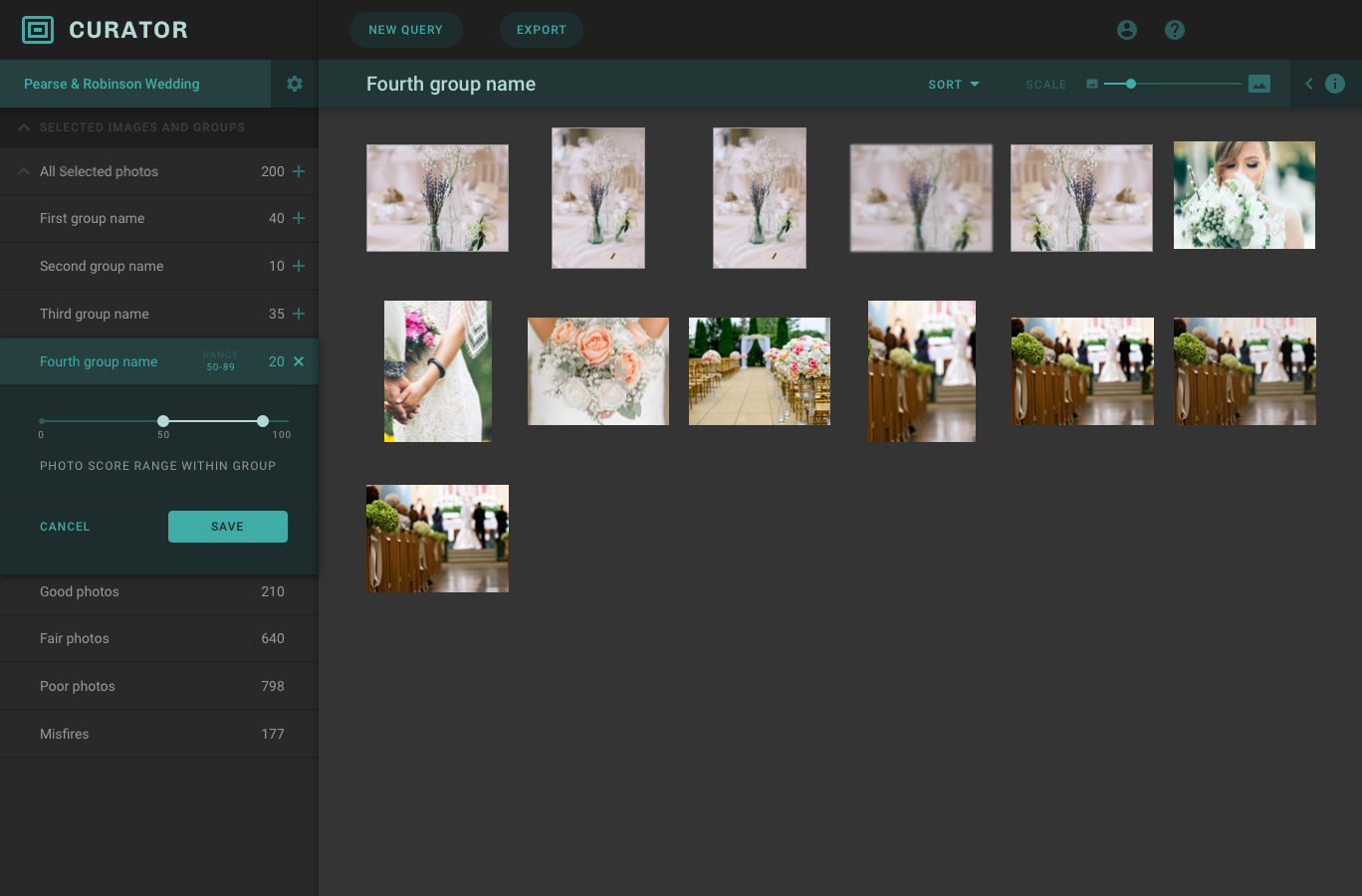
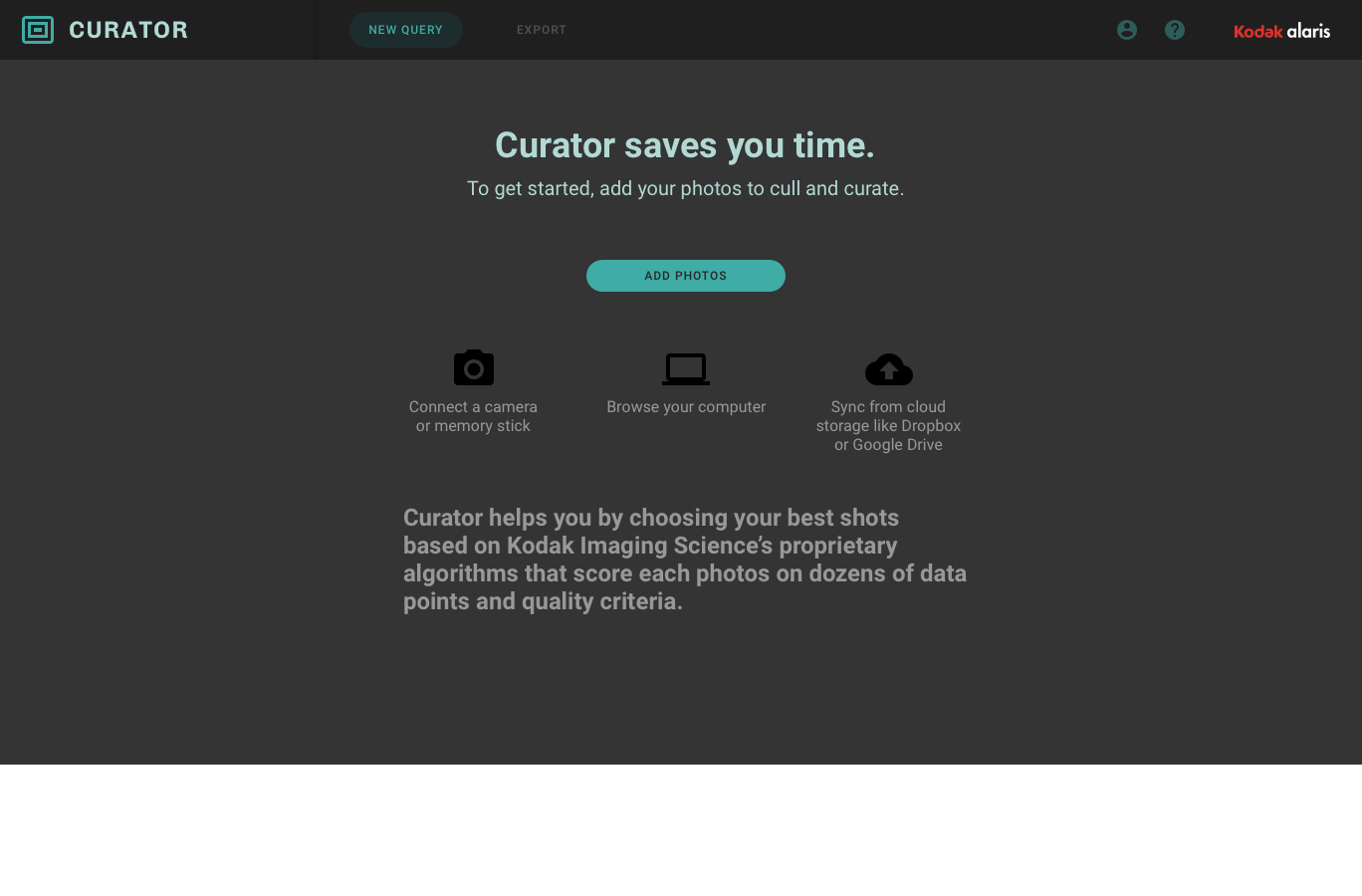
I led the product vision and UX strategy for an AI-assisted image curation platform designed to dramatically reduce review time while preserving human oversight and creative control.
The resulting system reduced professional review workflows from approximately 18.5 hours to nearly one hour.
My Role
User Experience Director
Responsibilities included:
- Product strategy
- AI workflow definition
- Human-AI interaction design
- Research synthesis
- Workflow architecture
- Interaction design
- Prototyping and validation
- Stakeholder collaboration
The Problem
Photographers managing large-scale event photography workflows faced several operational challenges:
- Manual image review required extensive time and labor
- Existing workflows were difficult to scale
- Important image selection decisions still required human judgment
- Fully automated solutions created trust and quality concerns
- Review bottlenecks delayed delivery timelines
The opportunity was not simply to automate image selection, but to design a trustworthy human-AI collaboration model that accelerated decision-making while preserving professional confidence and control.
Strategic Insight
The key challenge was not image classification accuracy alone.
The larger design challenge was determining:
- when users should trust the AI
- when users should remain in control
- how AI confidence should be communicated
- how correction workflows should operate efficiently
- how to reduce cognitive fatigue during repetitive review tasks
This became a human-AI workflow orchestration problem rather than a traditional interface problem.
Designing the Human-AI Workflow
The platform was designed around collaborative intelligence principles:
AI-Assisted Prioritization
The system identified likely high-quality images and surfaced recommendations for review prioritization.
Human Oversight & Correction
Photographers retained full control over final decisions through lightweight correction and adjustment workflows.
Confidence & Trust Signals
Interaction patterns were designed to communicate recommendation confidence and reduce uncertainty during review.
Workflow Acceleration
The experience minimized repetitive evaluation tasks while allowing users to focus attention on nuanced creative decisions.
Operational Scalability
The workflow architecture supported large-volume image processing scenarios without overwhelming users cognitively.
Research & Validation
Research and validation activities included:
- Workflow analysis with professional photographers
- Review-session observation
- Iterative concept testing
- Prototype evaluation
- Stakeholder alignment sessions
- Operational workflow mapping
Insights from research directly influenced recommendation presentation models, correction workflows, and prioritization behavior.
Business & User Impact
The final experience:
- Reduced image review workflows from approximately 18.5 hours to nearly one hour
- Improved operational scalability for photography review teams
- Reduced repetitive cognitive workload
- Preserved user trust and creative oversight
- Demonstrated the effectiveness of human-AI collaborative workflows in professional production environments
Demonstrated Capabilities
- Human-AI interaction design
- AI-assisted workflow orchestration
- Intelligent recommendation systems
- Product strategy
- Workflow transformation
- Trust-centered AI UX
- Enterprise operational design
- Rapid prototyping and validation
- Cross-functional product leadership